Keeping Up Appearances As a 'Model Minority' Can Have Serious Mental Health Consequences

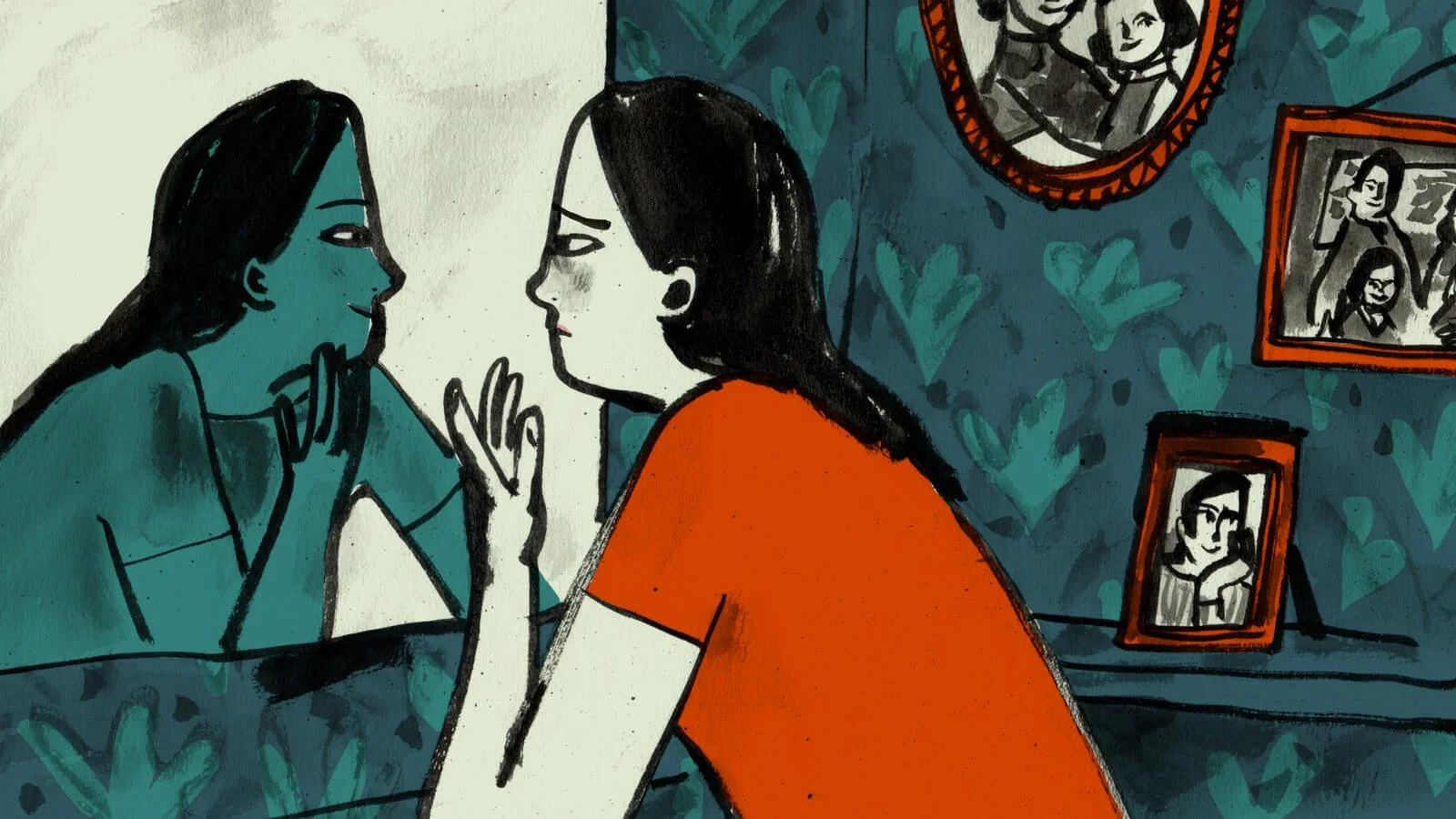
When Asians were declared a model minority—by the community itself, and then embraced as such by Westerners—face put on the pressure to maintain it. It needs to be recognized that Asian Americans are a diverse amalgam of different cultures that contains both ends of the spectrum: those that have “succeeded," in the traditional sense, but many who haven’t. Then, perhaps there can be the acknowledgement that anyone can break under immense pressure, and discussions of mental health can be normalized.

Read More
Theater MuHealth, Model Minority
Eva Noblezada on Her Gripping Film "Yellow Rose," the Power of "Hadestown," and Filipino Representation

“It's also a great way for Filipino-Americans to have representation in America right now because I didn't have that sh*t growing up,” Eva says, “For me, it was finally a chance, where I felt like this made sense. This is my story, this is the girl next door's story. This is the girl in the Philippines' story. This is a Filipino story.”

Read More
Theater MuTV/Film, Celebrities, Theater
Asian men shouldn’t need to meet Western masculinity standards to be considered “hot”

In doing so, we’re reinforcing the basic premise of critics: that adherence to Western masculinity should be the yardstick by which manhood and sexual appeal are universally measured. Instead of rejecting objectification and fetishization—realities that Asian women face every day—Asian men are aspiring to such circumstances.

Read More
Bruce Lee’s family calls ‘Once Upon a Time’ ‘a mockery.’ Is it insult or homage?

“There’s nothing else to call him but the butt of the joke, because everything that makes him powerful is the very thing that makes him laughable in the film,” said Yuen, who found the depiction and her theater’s reaction to it insulting. “His kung fu becomes a joke, and his philosophizing becomes a fortune cookie, and the sounds that he makes as he does kung fu are literally made fun of by Cliff. They made his arrogance look like he was a fraud.”

Read More
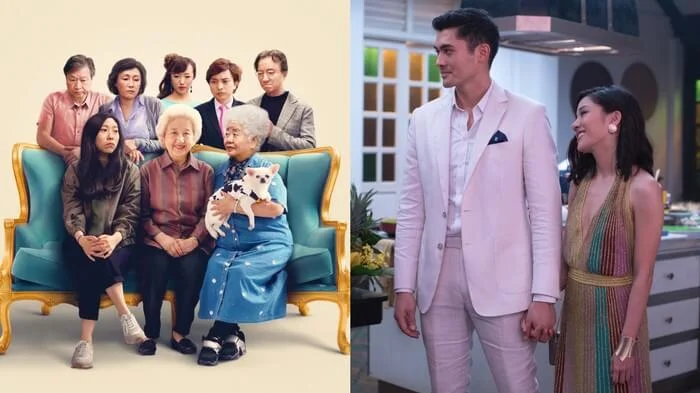
Hollywood Doesn't Fully Represent Asian Americans Yet

But while the current wave of movies makes the necessary first steps of representation, we must interrogate whose stories are being told. Judging by the roster of what's hitting theaters, Hollywood—and the people talking about its successes—seem stuck in the problematic loop of conflating "Asian" with "East Asian," boiling down the "Asian American experience" to one phrase that doesn't actually suit all.

Read More
“I needed to do this movie”: Awkwafina on her star-making role in The Farewell

Oh, yeah. It was a full-body experience. It’s a unique experience, to leave America and go to where you are “from.” Your whole life, you’re being told that you don’t belong here [in America]. Then you go there [to China] and really realize that you don’t belong there. But then you think about how this is your history too, and you can’t forget that part about yourself. That’s what happened to me.

Read More
The Stories We Tell, and Don’t Tell, About Asian-American Lives

Identity isn’t a prescriptive solution. But when you’re uncertain of your place within society, it can help to have ready-made categories or narratives, even if you choose to reject them. There’s a power in being able to recognize our struggles as the result of paradoxes we live within rather than seeing them as purely private failings. It’s a step toward imagining lives that we might be the authors of, with endings that we write ourselves.

Read More
Fights Over 'Authentic' Chinese Food Have a Long and Complicated History. Now They're Tearing the Culinary World Apart

As Chinese food rises in stature and price, a new wave of white restaurateurs are realizing there’s money to be made in the field, just as Starr and Tepperberg did decades ago. But unlike then, Chinese communities in the U.S. or the U.K. now have the ability to critique the work of these chefs, thanks in part to social media.

Read More